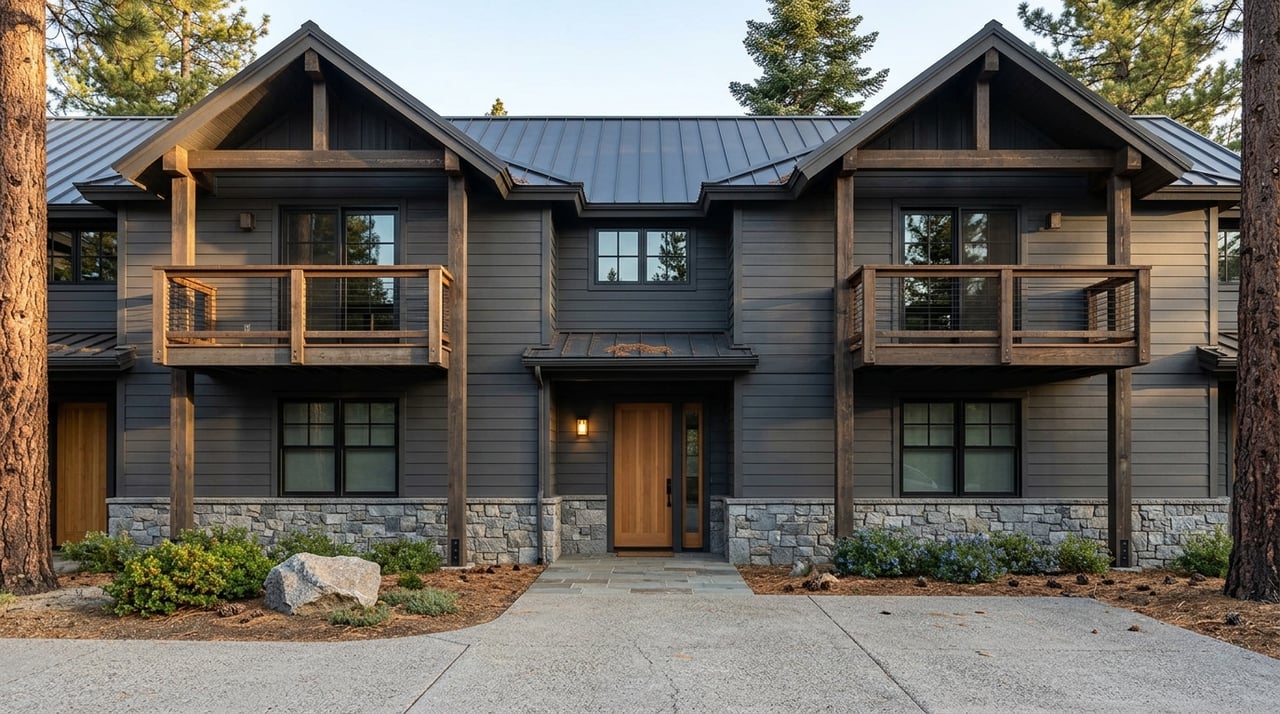
Buying a Condo in Truckee: Key Details to Review
July 9, 2026
July 9, 2026
Thinking about buying a condo in Truckee? It can be a smart way to enjoy mountain living with less exterior upkeep, but condo ownership here comes with rules, fees, and local details you will want to understand before you buy. If you know what to review up front, you can make a more confident decision and avoid surprises later. Let’s dive in.
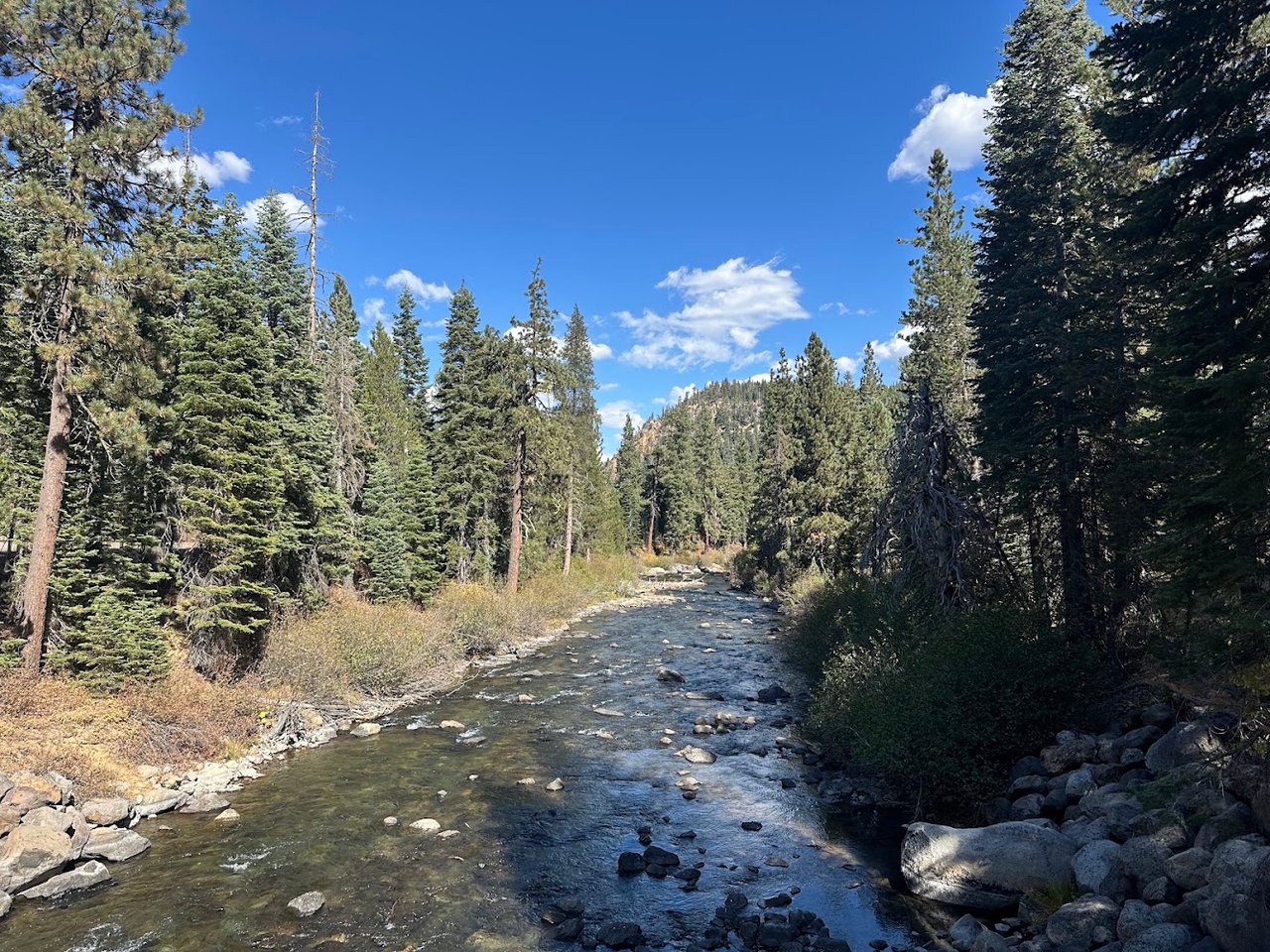
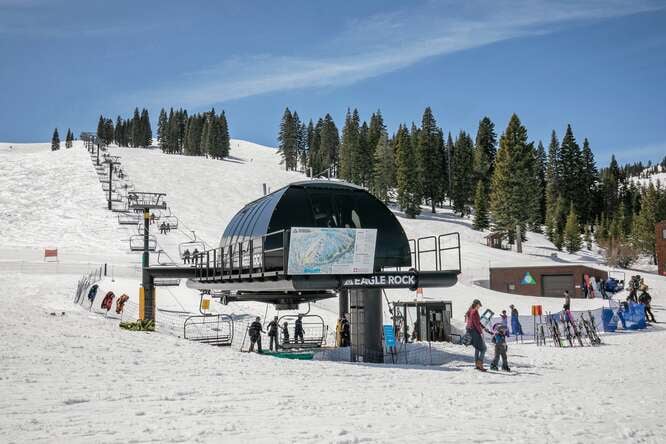
Truckee is a true four-season mountain town. You have access to skiing, hiking, biking, Donner Lake, and the Legacy Trail, which is a big reason many buyers look for a low-maintenance home base here.
For many buyers, a condo offers a practical fit for that lifestyle. You may spend less time worrying about exterior maintenance and more time enjoying weekends, holidays, or full-time living in the Sierra.
In California, a condo is not just a building type. It is a legal form of ownership within a common interest development, which means you own your unit and also hold shared interests or rights in common areas.
That shared ownership is one of the biggest differences between buying a condo and buying a detached home. You gain access to common amenities and shared upkeep, but you also agree to follow the association’s rules and budget structure.
When you buy a condo in a common interest development, membership in the homeowners association is automatic. The HOA board governs the association, and while a management company may handle day-to-day operations, the board remains responsible for how the community is run.
That matters because your ownership experience is shaped not only by the unit itself, but also by how the HOA operates. A well-run association can help maintain the property and plan for future repairs, while a poorly managed one can create frustration and added cost.
The main governing documents usually include the CC&Rs, bylaws, and rules. These documents explain use restrictions, operating procedures, and what owners can and cannot do within the community.
One of the most important steps in buying a condo in Truckee is reviewing the HOA package in detail. California requires sellers to provide key association documents and disclosures, and those records can tell you a lot about the health of the project.
You should expect to receive governing documents, current assessments and unpaid balances, unresolved violation notices, requested board minutes from the prior 12 months, and the latest inspection report. These materials help you understand both the financial picture and any current issues in the community.
The annual budget report is especially useful. It summarizes reserves, reserve funding plans, possible special assessments, loans, insurance, and, for condo projects, whether the project has FHA or VA approval status.
As you read through the documents, pay close attention to a few things:
If you are buying remotely or juggling a fast timeline, this is one area where local guidance really matters. Condo documents can be dense, but they often reveal the practical realities of ownership.
HOA dues are a core part of condo ownership. They are usually paid separately from your mortgage, and they should be included in your full monthly housing budget.
Those dues help cover operating costs, reserves, administration, and contingencies. Depending on the community, that may include items like roofing, painting, lighting, pool equipment, furniture, or paving.
It is also important to understand that regular assessments can rise over time. In some cases, HOAs may also levy special assessments for major repairs or other large expenses.
That does not always signal a problem, but it is something you want to evaluate before closing. A low monthly due can look attractive at first, but if reserve funding is weak, owners may face larger costs later.
A condo and a detached home offer different kinds of control and responsibility. With a standard subdivision home, you typically own the lot and structure without shared common areas.
With a condo, you usually have less exterior maintenance but more shared governance. That can be a great fit if you want convenience, but it also means your property use is shaped by association rules.
Some buyers are surprised by how restrictive condo rules can be. HOAs may fine owners, suspend rights, or deny access to common-area amenities for violations.
That is why it helps to look beyond the floor plan and location. You are also buying into a system of shared decisions, shared costs, and shared standards.
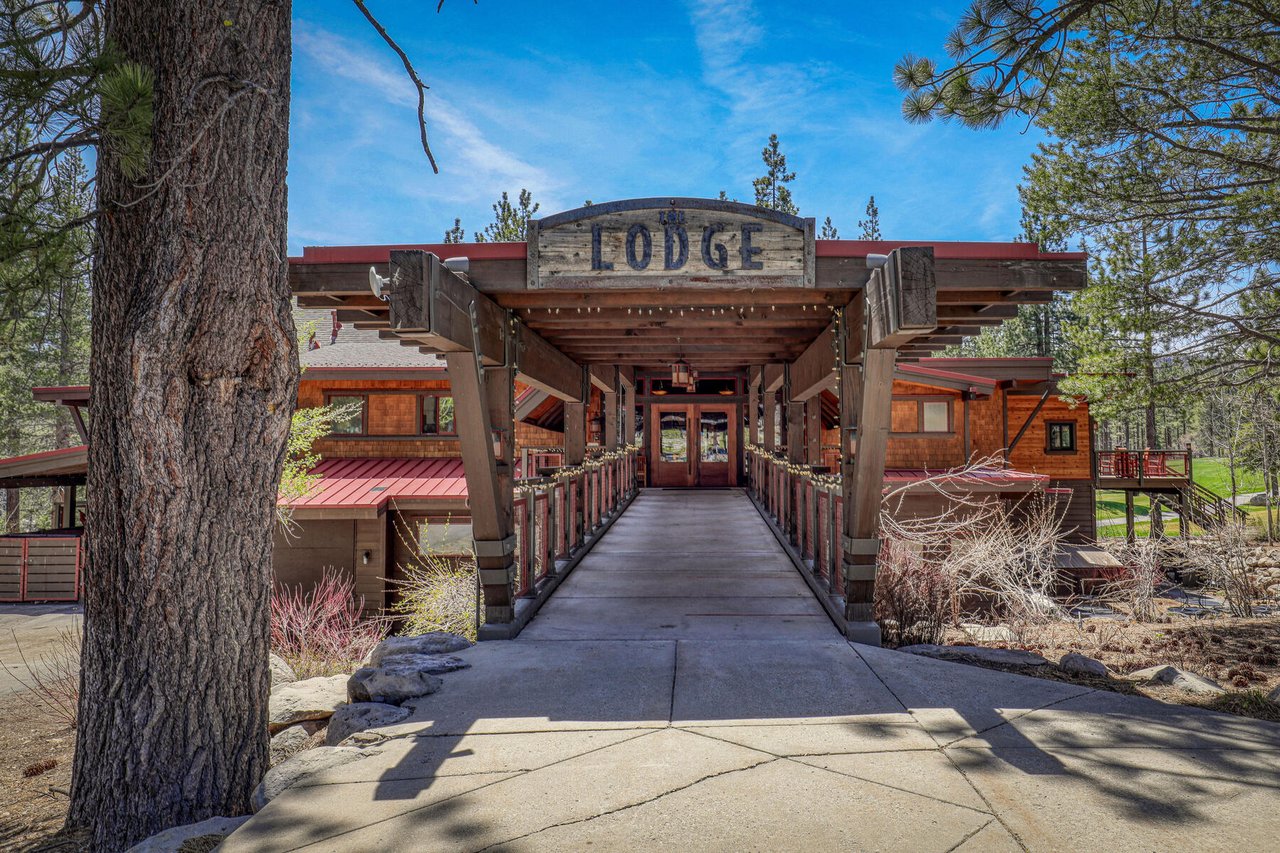
Truckee-area condo communities often attract buyers because of lifestyle perks. In amenity-rich communities, access to pools, fitness facilities, recreation centers, or other shared spaces can add real value to day-to-day ownership.
But it is worth reading the rules closely. Amenity access can vary based on whether you are an owner, a guest, or a short-term tenant.
Tahoe Donner offers a useful example. Its current rules show that some amenities include daily access fees, and access treatment can differ for members, guests, and short-term tenants. Certain short-term tenant cardholders may also face blackout periods during peak holiday times.
The takeaway is simple: do not assume advertised amenities work the same way for every user. Confirm what access actually looks like for your ownership plans.
Not all condo projects are created equal. The California Department of Real Estate warns that converted condo projects can come with hidden infrastructure, mechanical, electrical, and plumbing issues.
That can be especially important in older mountain properties where systems may have seen years of weather exposure and seasonal wear. In some projects, costs may also rise after developer obligations end.
This is where a practical, property-level review matters. You want to understand not just the finishes you can see, but also the systems, maintenance history, and reserve planning behind the scenes.
Insurance is another area where condo buyers should slow down and ask questions. The association typically insures the structure and common areas, while you are generally responsible for the interior of your unit and your personal property.
California condo disclosures summarize the association’s property, liability, earthquake, flood, and fidelity insurance policies. Still, that summary is not a substitute for reading and verifying what the master policy actually covers.
You may also need unit-owner insurance that covers personal property, liability, loss of use, and interior improvements for which you are responsible. Loss assessment coverage can also matter if the HOA passes part of a covered loss on to owners.
If standard homeowners coverage is difficult to find, California regulators say buyers can explore the FAIR Plan and, if needed, a difference in conditions policy to help fill coverage gaps. Shopping multiple carriers is also recommended.
If you plan to use financing, the condo project itself can affect your options. For buyers using FHA or VA financing, project approval status is an early item to confirm.
In California, condo disclosures must state whether the project is FHA- or VA-approved. That makes it easier to identify potential issues before you are deep into escrow.
Even if you are using conventional financing, it is still smart to ask how the lender views the project. Budget strength, insurance, occupancy mix, and association condition can all play a role.
If rental income is part of your plan, you need to look at both the HOA rules and the Town of Truckee’s short-term rental requirements. These are separate layers, and both matter.
In Truckee, rentals of fewer than 31 continuous nights require registration. The town also requires quarterly tax remittance, a 24/7 local contact, quiet hours, paved onsite parking, weekly two-bin garbage service, bear bins, and periodic fire-safety compliance checks.
As of July 1, 2026, the total short-term rental guest levy in Truckee is 14 percent, made up of 12 percent transient occupancy tax and 2 percent TTBID. The town also caps the number of short-term rental certificates at 1,255.
Just as important, California law requires disclosure of any rental prohibition in the governing documents. So before you count on rental income, confirm both the town rules and the condo association’s restrictions.
If you are serious about buying a condo in Truckee, here is a simple checklist to keep handy:
Buying a condo in Truckee is about more than comparing price per square foot. You are evaluating shared systems, mountain-weather realities, governing documents, insurance layers, and local rental rules, all at the same time.
That is where experienced local guidance can make the process much smoother. When you have someone who understands Truckee communities, condo documents, and the practical side of mountain property ownership, it becomes easier to spot strong opportunities and ask the right questions.
If you are weighing condo options in Truckee and want practical guidance tailored to how you plan to use the property, reach out to Seth Waller. He can help you evaluate communities, review the details that matter, and move forward with confidence.

Contact Seth today to learn more about his unique approach to real estate and how he can help you get the results you deserve.

ADDRESS 17400 Northwoods Blvd Ste 104 Truckee CA 96161