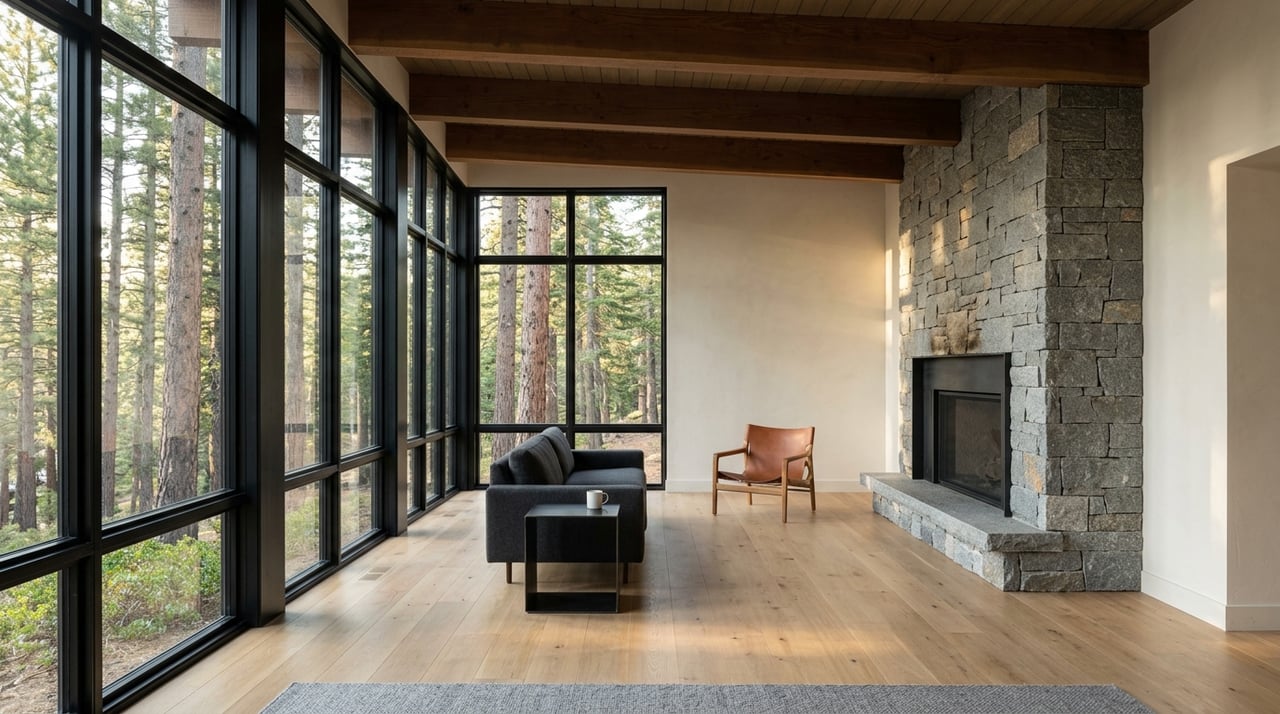
Buying a Second Home in Truckee When You Live Far Away
April 2, 2026
April 2, 2026
Buying a second home in Truckee from a distance can feel exciting right up until the details start piling up. You are not just choosing a floor plan or a view. You are also choosing how you will handle winter access, insurance, closing logistics, and the real cost of owning a mountain property when you are not there full time. The good news is that with the right plan, you can buy confidently from afar and avoid the surprises that trip up many out-of-area buyers. Let’s dive in.
Before you tour homes online or book a weekend visit, get clear on what ownership will actually cost. According to the Consumer Financial Protection Bureau, your ongoing costs may include mortgage principal and interest, mortgage insurance, property taxes, homeowner’s insurance, HOA dues, maintenance, and utilities.
That matters even more for a second home in Truckee. A property you use part time can still come with year-round carrying costs, and mountain homes often need regular oversight. The CFPB also notes that closing costs typically run about 2% to 5% of the purchase price, before your down payment.
When you buy from afar, a realistic budget helps you move faster and make better decisions. It also helps you compare homes based on true ownership cost, not just the list price.
Not every vacation property qualifies as a second home in the eyes of a lender. Fannie Mae’s second-home guidelines say the home must be a one-unit property suitable for year-round occupancy, remain under your exclusive control, be occupied by you for some part of the year, and not function as a rental property or timeshare arrangement.
This point is especially important in Truckee, where many buyers hope to offset costs. Fannie Mae says rental income may exist, but it cannot be used to qualify for the loan if the property is being treated as a second home. If the home will be rented heavily, or if a management agreement controls occupancy, the property may be underwritten as an investment property instead.
Financing terms can differ based on that classification. Freddie Mac’s published LTV chart shows second-home purchases can go up to 90% loan-to-value on conforming loans, though lenders may apply tighter rules. If you are buying remotely, it is smart to sort this out early so your financing matches how you plan to use the home.
Insurance is not a last-minute item in Truckee. It should be part of your early due diligence, especially because wildfire exposure can affect availability, coverage, and price.
The California Department of Insurance says homeowners insurance pricing can depend on location, local fire protection, the age and construction of the home, deductible choices, and the scope of coverage. The department also explains that the FAIR Plan is designed to help people who have difficulty finding coverage through private insurers because the property is considered high risk.
For a remote buyer, this means you should not remove contingencies until you understand the insurance picture. A home that looks perfect on paper may carry a very different cost profile once quotes come in.
A beautiful cabin in summer photos can feel very different after a major snowstorm. If you are buying from afar, winter access and snow logistics deserve the same attention as bedrooms, views, or finishes.
The Town of Truckee says roadside parking is illegal in the town right-of-way from November 1 through April 30. The right-of-way is used for snow storage, driveway berms are not removed by the town, plowing begins once snowfall reaches 4 inches, and cleanup after major storms can continue for 3 to 4 days.
On top of that, Caltrans guidance referenced by the town notes that mountain travel can take longer, road conditions can change quickly, and Donner Pass on Interstate 80 is a common chain-control area with possible closures and traction requirements. If you will not be in Truckee full time, you need a plan for who checks the house, clears the driveway, and handles access after storms.
One of the biggest mistakes remote buyers make is choosing a property based on aspiration instead of actual use. If you plan to visit a few weekends each winter and a few weeks each summer, your ideal home may be different from someone living there full time.
In Truckee, the fit between your lifestyle and the property’s rules matters a lot. Parking limits, snow service expectations, HOA policies, and road access can have a direct effect on how easy the home is to use when you arrive.
That is why local screening matters. You want a home that supports the way you will really use it, not one that creates friction every time weather or access becomes a factor.
Wildfire compliance is a major part of buying in Truckee. It can affect timing, inspections, negotiations, and post-closing planning.
Truckee Fire says sellers of properties in the district generally must provide a defensible-space inspection report confirming compliance within six months of the transaction date. If that report cannot be obtained during escrow, the buyer and seller can use a written agreement giving the buyer up to one year after closing.
Timing matters because Truckee Fire also says defensible-space inspections are suspended in winter due to weather and staffing limits. For a remote buyer, that can affect closing strategy and expectations, especially if you are writing an offer during snowy months.
There is also a local wrinkle worth knowing. Truckee Fire notes that Tahoe Donner Association is currently the only HOA in the district authorized to conduct real-estate defensible-space inspections in Truckee Fire’s place. If you are comparing neighborhoods, that detail can affect who coordinates inspections and how quickly they happen.
Many second-home buyers ask the same question: can this property help offset ownership costs? In Truckee, the answer depends on local rules, and those rules are detailed enough to shape your buying strategy.
The Town of Truckee short-term rental ordinance caps the number of STR certificates at 1,255. It also says certificates expire when ownership changes, and new applications are barred within 365 days of the most recent ownership transfer.
That means you should not assume you can buy a home and immediately use it as a short-term rental. If rental income is part of your plan, confirm the rules before you remove contingencies.
Hosted rentals are even more limited. The town says they must be owner-occupied primary residences, allow only one permitted bedroom, cap stays at 30 consecutive days, require on-site parking, and require a contact person who can be reached by phone within 30 minutes and is available 24/7.
Taxes also matter when you run the numbers. The town says short-term-rental overnight guests pay a total guest levy of 13.25%, made up of a 12% transient occupancy tax and a 1.25% Truckee Tourism Business Improvement District assessment, as outlined in its short-term rental overview.
Truckee offers a wide range of ownership experiences. Some areas are simpler and more straightforward. Others come with broader amenity packages, HOA processes, and seasonal use considerations.
Tahoe Donner is a good example of why remote buyers should look beyond listing photos. According to the community’s official amenities information, it offers a cross-country ski center with 51 trails and more than 100 km of trail, a downhill ski resort, golf, equestrian facilities, biking, a campground, and multiple restaurants.
Those amenities can be a major draw, but they also come with practical details. The same Tahoe Donner information says guests and tenants need guest cards for amenity access, the streets are public and maintained by the Town of Truckee, and winter drivers should carry chains or use 4WD. It also notes that some private amenities can be transferred to renters with proper documentation and a fee.
There are also seasonal access rules within certain recreation areas. Tahoe Donner’s winter trail access guidance says that from late November to mid-April, access within the ski-area boundary requires a day or season pass and winter travel there is by ski or snowshoe only.
The larger point is simple: the best Truckee neighborhood for you is the one that fits your ownership style. If you plan to use the home personally most of the year, your priorities may differ from someone focused on occasional visits or future rental flexibility.
Many buyers assume a California purchase can be signed from anywhere by video. In practice, that is not always how it works.
The California Secretary of State notary handbook says California notaries can perform electronic notarizations on paper-based acts, but the signer still must physically appear before the notary. California law does not yet provide the typical form of remote online notarization by video.
For you, that means closing may involve an in-person notary where you live, a mail-away signing package, or another escrow-approved process. If you are buying from afar, it is wise to ask about signing logistics early so you are not surprised near closing day.
A successful remote purchase in Truckee usually comes down to structure. The more clearly you define your use case, budget, and due diligence steps, the easier it becomes to narrow your options and move with confidence.
A practical remote-buying process often looks like this:
When you buy in a mountain market, details matter. The good news is that the right local guidance can make those details much easier to manage.
If you are considering a second home in Truckee and want practical, on-the-ground insight into neighborhoods, property condition, and seasonal ownership realities, connect with Seth Waller. You will get clear guidance tailored to how you actually plan to use the home.
Contact Seth today to learn more about his unique approach to real estate and how he can help you get the results you deserve.
ADDRESS 17400 Northwoods Blvd Ste 104 Truckee CA 96161