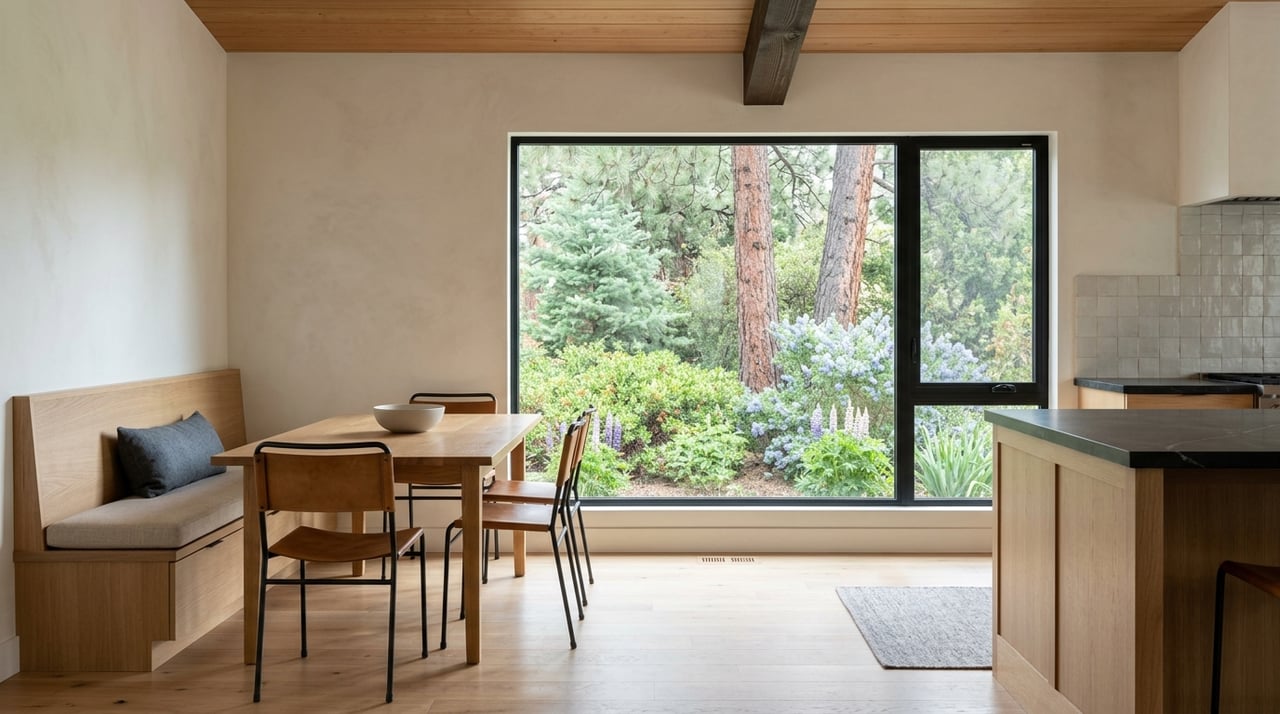
Tahoe Donner Long Term Rentals: What to Know
May 7, 2026
May 7, 2026
If you own a home in Tahoe Donner or you are thinking about buying one, rental potential is probably part of the conversation. But this is not a simple plug-and-play rental market. Tahoe Donner has strong demand, seasonal patterns, HOA rules, and a tenant base that looks very different from a typical suburban lease market. Let’s dive in.
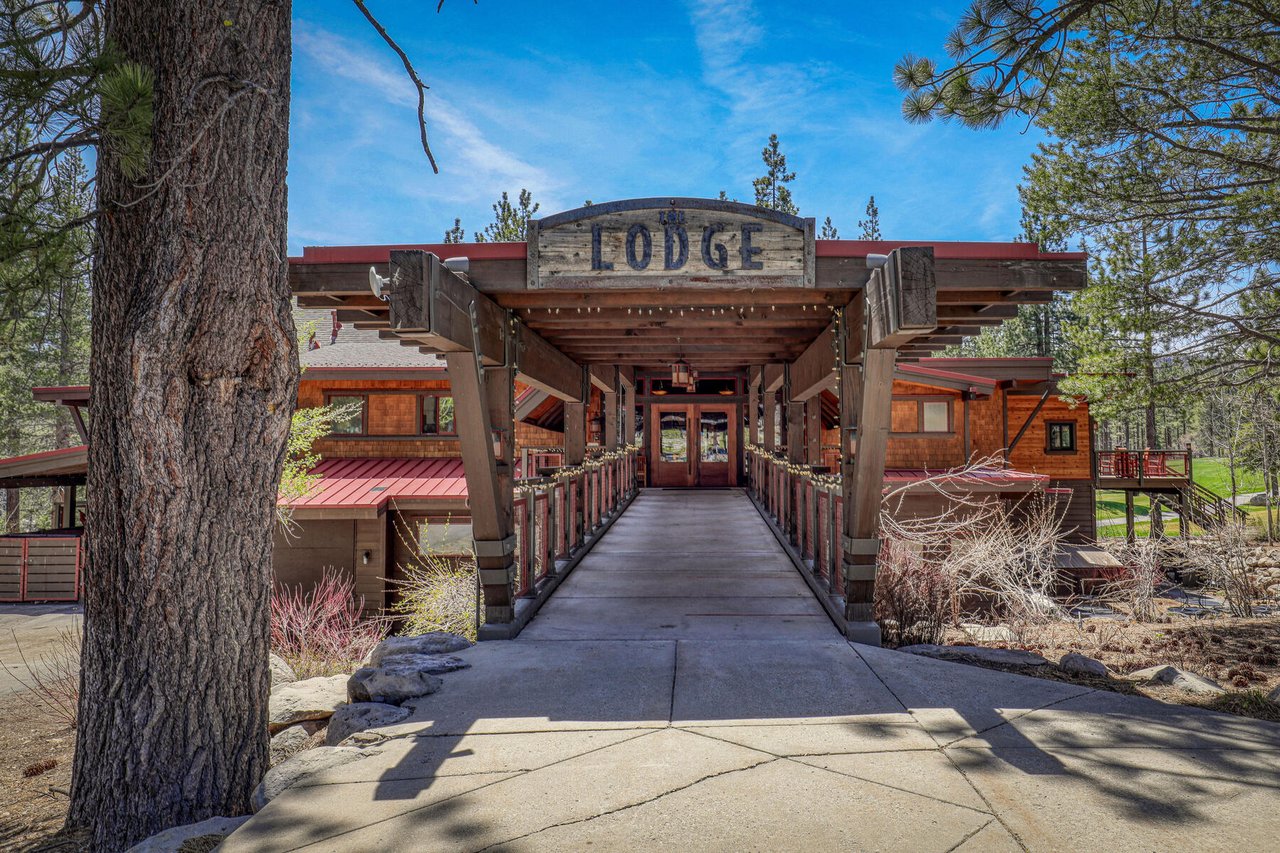
Tahoe Donner stands apart because it is a large resort community with nearly 6,500 homes spread across 7,620 acres and more than 25,000 member homeowners. In Tahoe Donner’s 2025 biennial report, full-time residents had leveled off at 28%, while second homeowners reported using their homes an average of 94 days per year. That means a meaningful share of housing is held for owner use rather than year-round rental use.
For you as an owner or buyer, that changes the math. Tahoe Donner is not driven by dense apartment turnover or a huge pool of purpose-built rentals. It behaves more like a seasonal mountain housing market where owner use, lease timing, furnishings, and flexibility all affect what a property can realistically earn.
Long-term demand in Tahoe Donner is tied closely to the local workforce and the broader Tahoe-Truckee housing shortage. Regional data from the 2025 housing needs assessment estimates 9,598 resident worker households and 960 seasonal-only worker households in the Tahoe-Truckee region. It also found 6,963 in-commuter households in 2025, with about 78.9% of surveyed in-commuters saying they would relocate if adequate housing were available.
That tells you something important. The long-term tenant pool here is not mostly made up of vacation renters deciding to stay longer. It is more likely to include local employees, seasonal resort staff, working households, and people who already commute into the area but would prefer to live closer to work.
Tahoe Donner’s own workforce housing study supports that picture. Tahoe Donner Association has leased member homes since 2016 to house seasonal J-1 visa workers and has also housed ski patrol, forestry workers, and cooks. At peak season, it has housed up to 80 workers across about a dozen master-leased properties.
In broad terms, 1- to 3-bedroom homes and condos appear to align best with long-term demand. Regional data shows a large share of unmet seasonal-worker demand could be satisfied by studios or one-bedroom units. Year-round worker demand is broader, with need spread across multiple income bands and age groups.
That matters because Tahoe Donner rental demand is not limited to one tenant type. You may be serving a single renter, a couple, roommates, or an established working household. The market is deeper for practical, well-located homes with realistic pricing than for oversized homes trying to compete only on seasonal appeal.
Larger homes can still perform well, but often in a different lane. A 4- or 5-bedroom property may attract premium rent when it is furnished and offered with flexible timing, yet some of those listings function more like ski-lease or luxury seasonal inventory than classic long-term housing.
Rent in Tahoe Donner depends heavily on lease term, whether the home is furnished, and whether it is positioned as a true long-term rental or a seasonal product. Based on current listing examples and regional benchmarks, here is a practical working range:
| Property type | Rough monthly range |
|---|---|
| Studio / 1BR | $1,850 to $3,000 |
| 2BR | $2,500 to $3,700 |
| 3BR | $3,300 to $4,250 |
| 4BR+ | $6,800 to $11,000+ |
These are not guarantees, and the spread is wide for a reason. A basic one-bedroom and a furnished loft with better amenities may sit in very different parts of the range. The same is true for larger homes, where a furnished mountain property offered during ski season can command far more than a standard annual lease.
In Tahoe Donner, term length can change both your audience and your pricing. The community treats any lease under 31 nights as a short-term rental, which brings a different set of registration and operating rules. Once you move into 31+ day leases, you are in a different category with different practical benefits for tenants.
This is one reason Tahoe Donner owners often think in terms of several buckets rather than one rental strategy:
If your goal is stable long-term income, consistency often matters more than chasing peak seasonal rent. Tahoe Donner’s own workforce housing study notes that some master leases run only 5 to 6 months and can incur off-season losses, which is a useful reminder that headline winter pricing does not always equal stronger annual performance.
If you are evaluating rental potential, Tahoe Donner HOA rules should be part of your planning from the start. For leases under 31 nights, owners must register with Tahoe Donner Association, provide a real-time contact, follow occupancy limits, and keep vehicles within garage and driveway capacity. Short-term rental owners must also register with the Town of Truckee for transient occupancy tax.
For 31+ day resident tenants, Tahoe Donner allows owners to transfer amenity access and member-exclusive benefits, but no more than twice in a 12-month period. In 2026, the processing fee is $90, and active Tenant ID Cards include Private Amenity Access for the lease term. If amenity access matters to your tenant profile, this can be a real part of your property’s value proposition.
Truckee’s housing policy is increasingly focused on long-term workforce rentals. The Town of Truckee says its Housing Program is designed to increase the inventory of homes local workers can afford to rent and buy. That creates a meaningful backdrop for owners who are deciding whether to hold a property vacant, use it seasonally, or commit to a longer lease.
Two programs stand out:
According to the Town, Lease to Locals has converted more than 200 residences and housed more than 500 residents since 2020. If your home fits the guidelines, these programs may be worth considering as part of a more stable rental plan.
One of the biggest mistakes owners make is assuming Tahoe Donner will behave like a city rental market. It usually does not. This is a mountain community where second-home use is common, winter demand can be intense, and off-season timing can affect both tenant demand and asking rent.
Because second homeowners average 94 days of use per year, and because listings often mix 12-month leases with shorter seasonal terms, vacancy timing matters. You may see stronger response during periods when local workers are trying to relocate for jobs or when seasonal staff need housing, while shoulder seasons can require a more careful pricing strategy.
That is why I usually suggest looking at rental potential through a practical lens:
If you are buying or holding a Tahoe Donner property, it helps to think beyond the top-line rent number. A home with a lower monthly rate but stronger year-round appeal may perform better than a larger house that only hits premium pricing for a short seasonal window.
Here are the factors worth weighing most:
Studios, one-bedrooms, and many two- to three-bedroom homes often line up best with the broadest long-term demand. That does not mean larger homes lack rental potential. It just means your tenant pool may narrow as size and monthly rent go up.
Furnishings can support higher rent, especially for flexible-term or ski-season demand. At the same time, furnished homes can place you in a more term-sensitive part of the market where demand rises and falls more sharply.
If you want regular personal use, your long-term options may be limited by timing. Tahoe Donner is full of owners who value access to their homes, so your rental strategy has to match how often you plan to occupy the property yourself.
Rental potential is not just about demand. It is also about whether your intended use fits Tahoe Donner rules, Truckee programs, parking limits, amenity transfer rules, and the practical realities of mountain property management.
Tahoe Donner can offer real long-term rental potential, but the strongest opportunities usually come from matching the property to the right tenant profile and lease structure. In this market, 1- to 3-bedroom homes with realistic pricing and clear long-term availability often fit the deepest demand. Larger furnished homes can command much higher rent, though they may operate more like premium seasonal inventory than classic year-round rentals.
If you are trying to decide whether a Tahoe Donner property works as a long-term hold, the right answer usually comes from local context rather than a national rent rule of thumb. Home size, owner-use plans, HOA requirements, and lease timing all matter here. That is where practical, on-the-ground guidance can make a big difference.
If you want help evaluating a Tahoe Donner property’s rental positioning before you buy or sell, reach out to Seth Waller for a free Tahoe market consultation.
Contact Seth today to learn more about his unique approach to real estate and how he can help you get the results you deserve.
ADDRESS 17400 Northwoods Blvd Ste 104 Truckee CA 96161