What to Know About Truckee Short-Term Rental Permit Transfer
August 13, 2026
August 13, 2026
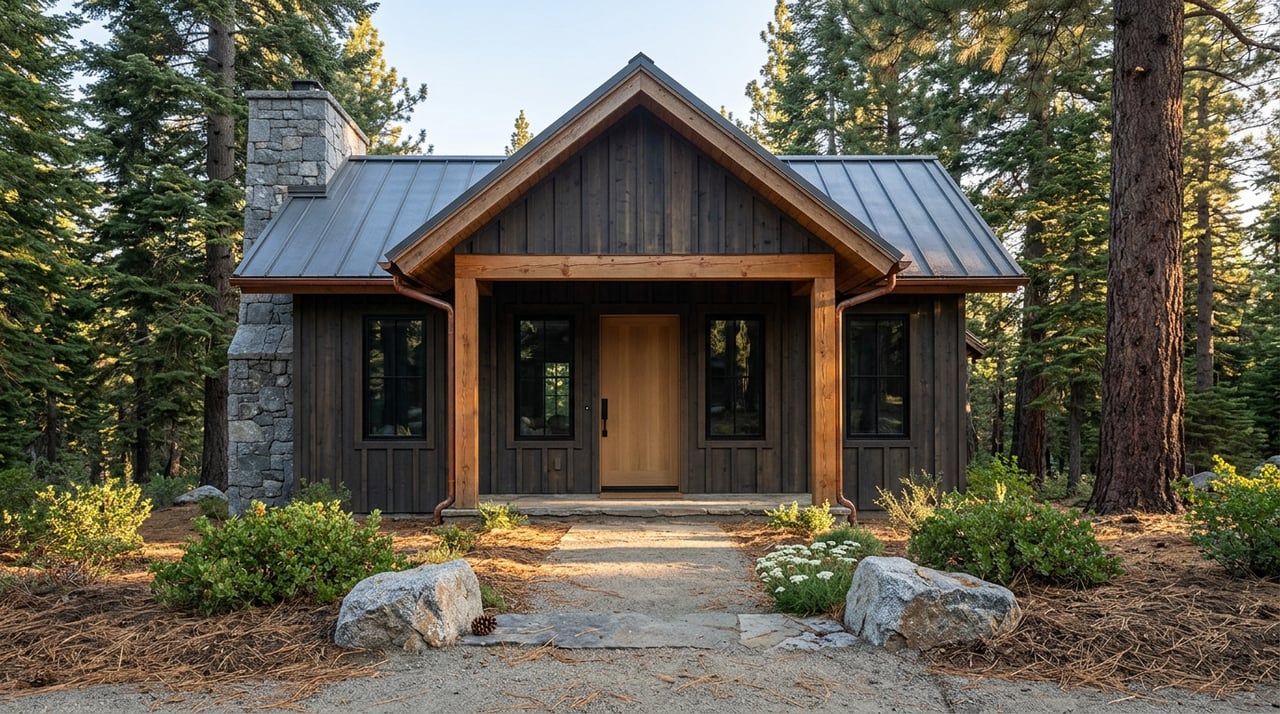
Picture the listing. A three-bedroom cabin near downtown Truckee, MLS remarks mentioning "strong rental history," maybe a screenshot of last year's booking calendar tucked into the supplemental documents. A buyer runs the math, pencils in $40,000 or so a year in rental income against the mortgage, and writes an offer that assumes the income keeps flowing the day escrow closes.
It won't. Not for a while, and maybe not at all.
In the Town of Truckee, a short-term rental registration certificate is not a feature of the house. It is a permission granted to a specific owner, and that permission dies the moment the deed changes hands. Everything a buyer assumes about inherited rental income runs into a wall of town ordinance the day they close.
Truckee's short-term rental program started in August 2020 after what the town describes as "heightened community interest and concern" over the rise of Airbnb and VRBO listings, and the Town's own STR page still frames the ordinance as an attempt to balance visitor demand against neighborhood impact. What followed was a moratorium, a staff study, and a series of amendments that turned the registration certificate into something closer to a personal license than a property right.
The mechanism that matters most to buyers: a Registration Certificate does not survive a sale. The Town's own FAQ page states plainly that the waiting period tied to a change of ownership "applies regardless of when the property was purchased." That single sentence answers a question a lot of buyers never think to ask until it's too late. Whatever the seller was earning on Airbnb last summer stops being legal the day the new name goes on title, and it stays illegal for a fixed period no matter what the previous owner's track record looked like.
Once a property changes hands, a new owner runs into two separate constraints, and both of them work against the "buy it and rent it" plan.
The first is a flat 365-day waiting period after any sale before the town will even consider a new registration. This was written into the ordinance amendments the Town Council adopted in 2022 and 2023, and it applies to every buyer, every time, with no exceptions for a property's rental history under the previous owner.
The second clock is the cap itself. Truckee's ordinance history caps the town at 1,255 total STR registration certificates, and that ceiling has already been hit. The Registration Count & Waitlist Standings page, last updated May 5, 2026, states it without ambiguity: "We have reached our cap of 1,255 and no registrations are currently available." As of that same update, 277 applicants sat on the waitlist, and the town's own tracking described the current wait as running about a year plus four to six months before a registration opens up under the cap. In plain terms, that is somewhere around a year and a half, and it moves only as fast as existing permit holders let their registrations lapse. The most recent release, also dated May 5, 2026, freed up just 14 slots for the entire waitlist.
Depending on how quickly a buyer can get an application into that queue during the mandatory year, the realistic gap between closing on a house and legally hosting a first paid guest can stretch close to two years, sometimes longer.
A seller's place in line does not transfer either. If the previous owner had been on the waitlist for two years before finally getting a registration, that history means nothing to the next owner. The 365-day clock resets at the deed, and the new owner joins the back of a queue that is currently well over 200 names deep.
Here is where the math turns from an inconvenience into a number worth building into an offer.
Truckee's median short-term rental host earns roughly $46,408 a year, with an average daily rate near $437 and about 46 percent occupancy, according to estimates published by STRprofitmap, a platform that tracks short-term rental performance and regulation data across markets. Treat that figure as a rough yardstick rather than a guarantee, since individual properties vary widely. But apply it to the wait a new Truckee owner faces, and the picture gets clearer. A buyer sitting out twelve to twenty-four months before their first legal booking is looking at somewhere between $46,000 and $93,000 in assumed rental income that simply will not show up in year one, and quite possibly won't show up at all if the cap stays full.
That is not a rounding error in a pro forma. That is the difference between a property that cash flows from month one and a property that behaves, for its first year or two of new ownership, exactly like a long-term rental or a personal second home whether the buyer planned for that or not.
Buyers eyeing an accessory dwelling unit or a multi-family property specifically for rental income should know the door is closing faster than the general waitlist suggests. The ordinance amendments adopted in 2022 and 2023 phased out new STR registrations for ADUs and multi-family dwelling units entirely. Existing certificate holders in those categories can renew, but the town will not issue new registrations for that property type at all, waitlist or no waitlist. A buyer targeting a duplex or a converted ADU for rental income under the current rules isn't facing a long wait. They're facing a door that has already been shut for that unit type.
The regulatory picture changes as soon as a buyer crosses a jurisdiction line, and that comparison matters for anyone weighing a Truckee purchase against other North Lake Tahoe options.
| Jurisdiction | Cap status | Post-sale waiting period |
|---|---|---|
| Town of Truckee | 1,255 cap, reached | 365 days, plus current waitlist |
| Placer County (North Shore, Tahoe City, West Shore) | Cap not yet reached, permits still issuing | None reported |
| South Lake Tahoe | 900 cap, reached | Waitlist required |
Placer County's portion of North Lake Tahoe operates under a different, higher cap and, as of public regulatory postings in mid-2026, still had permits available with no mandatory waiting period after a sale. That is not an endorsement of one town over another. It is simply the kind of detail that changes an investment calculation more than square footage or a view corridor ever will.
A buyer who wants rental income to be part of the underwriting on a Truckee purchase has a short list of things worth confirming before the contract goes out, not after.
If I buy a property that already has an active STR permit, does it come with me? No. The registration is void the moment ownership changes, regardless of how recently it was active or how strong the booking history looked.
Can I get on the waitlist before I close on the property? The town's application process requires a recorded grant deed showing current ownership, which means the application is tied to the property owner of record, not a prospective buyer.
Does the mandatory year run at the same time as the waitlist wait, or one after the other? The ordinance treats them as separate requirements. In practice, a new owner should plan for the longer of the two, and in many cases that means the wait runs closer to two years from closing to a legal first booking.
If a Truckee purchase makes sense as a home first and a rental second, none of this changes the appeal of the place. But if rental income is doing real work in the offer price, it deserves the same scrutiny as a roof or a septic system. Reach out to Seth Waller for a straight answer on where a specific property sits on the waitlist and whether the numbers still work once the wait is priced in.
Contact Seth today to learn more about his unique approach to real estate and how he can help you get the results you deserve.
ADDRESS 17400 Northwoods Blvd Ste 104 Truckee CA 96161