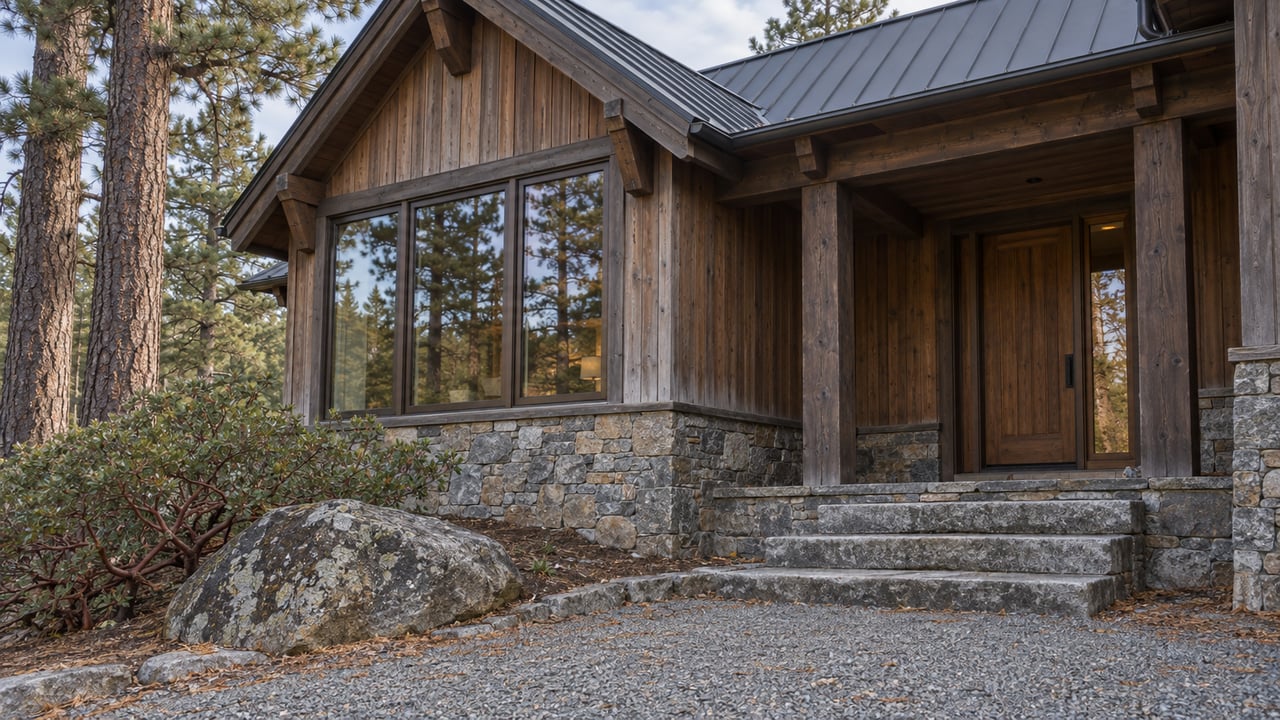
Tahoe Donner's 2027 Assessment Is Priced for an Average Winter
October 22, 2026
October 22, 2026
The Tahoe Donner Association's proposed 2027 annual assessment is $4,080 per property. That is up $459, or 12.7%, from $3,621 in 2026. The board was scheduled to consider adopting it at a special meeting on Friday, October 16. The outcome of that vote will be on the Association's board meetings page. The proposal had come down over the fall. It was $4,160 in the September draft and $4,090 at the October 9 session.
The total gets the headlines, but the board packet explains where it comes from. The largest single driver isn't a new bill or a new project. It's a decision to stop expecting the Association's ski hill, golf course and other public amenities to bring in as much money as the 2026 budget assumed. More of the operating cost now sits on the assessment, and the assessment is built so that one thin winter doesn't leave a hole.
A Tahoe Donner assessment is several fund allocations added together. Each fund has its own rules. Here is the proposal that went to the board for October 16:
| Fund | 2026 | 2027 proposed | Change |
|---|---|---|---|
| Repair + Replacement Fund | $1,034 | $1,049 | +$15, 1% |
| Long Life Fund | $187 | $195 | +$8, 4% |
| New Capital Projects Fund | $752 | $782 | +$30, 4% |
| New Equipment Fund | $30 | $30 | $0 |
| Operating Fund | $1,618 | $2,024 | +$406, 25% |
| Total | $3,621 | $4,080 | +$459, 12.7% |
The capital side, which pays for reserves, long-life components, new projects and equipment, goes up about $53 in total. The 4% increases for the Long Life and New Capital Projects funds match the funding forecast the board set during the 2026 budget process. So almost all of the year-over-year increase is in the Operating Fund, the money that runs the community day to day.
Inside the Operating Fund, the Association breaks costs into three groups. In the 2026 budget, the public amenities reduced each property's operating assessment by $183. That group covers the venues open to non-members, such as Downhill Ski, Cross Country and Golf. In the 2027 proposal that offset drops to $21.
| Operating Fund group | 2026 | 2027 proposed |
|---|---|---|
| Private Amenities | $215 | $240 |
| Public Amenities | reduces assessment by $183 | reduces assessment by $21 |
| Support Department | $1,586 | $1,805 |
| Operating total | $1,618 | $2,024 |
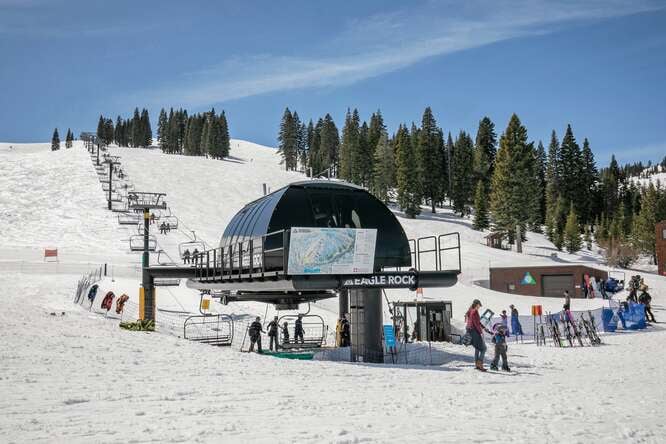
That drop shows up even though staff are planning for better results at those same venues. In the September follow-up report, staff projected $330,000 in improved net operating results across the public amenities, including $221,000 at Downhill Ski with prices up 3% and $30,000 at Cross Country. They listed a separate $105,000 improvement at Golf. The amenities are expected to perform better and still cover far less of the assessment, because the revenue baseline underneath them was reset.
The consolidated operating budget in the October 16 packet shows the shift. The 2026 budget assumed $18,186,256 in revenue. The current 2026 forecast is $17,954,549. The 2027 budget assumes $17,576,379. For comparison, the 2025 actual was $15,102,422.
Staff tie $95 of the $406 operating increase to what they call "reasonable (lower) revenue projections." That is the biggest single line in their breakdown. Here is how the Association explains it in the October 16 budget adoption packet:
"A deliberate shift to historically grounded revenue forecasts to mitigate weather-related shortfalls, protect minimum Operating Fund balances and reduce the risk of future special assessments."
This approach traces back to June. The 2027 Strategic Budget Drivers report the board approved on June 26 called for realistic, weather-aware revenue forecasts.
The fund's balance helps explain the caution. Association policy sets a goal of keeping the Operating Fund minimum balance at no less than 15% of annual operating expenses. The packet projects the fund ending 2026 at $2,758,122, against a target of $4,499,606. Staff recommend setting the 2027 minimum at $2,700,000. Even that forecast assumes winter operations open fully with enough snow coverage. With that little cushion, a short ski season can't simply be absorbed. Budgeting revenue lower up front is how the Association avoids having to make up a shortfall later.
The staff breakdown of the operating increase per property:
The $88 line explains why the capital funds look so flat. This year's reserve study update with Hughes Reserves removed 34 components from the Repair and Replacement Fund. Most of them were software subscriptions, recurring technology costs, and equipment and land leases or permits. They add up to about $569,000 a year. Starting in 2027, those costs are paid out of department operating budgets, and about $88 per property moves with them. Staff describe this as a reallocation between funds, not an addition to the total assessment.
The reserve fund still faces real pressure underneath that $15 change. It is projected to stay below the 25% funding threshold set by policy, so the draft applies a 10% increase to its allocation before the $88 is moved out. The updated study also adds replacement costs for recent projects, including the Downhill Ski Lodge, the Marina Bar, the Glacier Way Trailhead and the Euer Valley Phase 1 improvements.
Take out the $88 reclassification, and the operating increase is $318. Of that, $95 comes from the revenue forecast, and wages, insurance, taxes, utilities and benefits make up most of the rest.
Assessments aren't the only charges rising. The September report also lists fee increases on the amenity side. At Golf, those include market-rate increases for the public, a smaller member discount and changes to season pass products. Downhill Ski prices are planned to rise 3%. For this winter, the posted 2026/27 adult downhill season pass costs $421 for members and $676 for the public. An adult combo pass with cross-country costs $631 for members and $919 for the public. Both go up on December 1.
Put together, the plan has two parts. Fees at the amenities carry more of their own costs, and the assessment no longer counts on a big winter to keep it low. If you're comparing what it costs to own here against a neighborhood with a smaller HOA or none at all, the 2027 assessment reflects that reset. The sessions behind it are all posted on the Association's 2027 budget sessions page, with staff reports, exhibits and meeting video. The board's next regular meeting is Friday, October 30, at 9 a.m.
This post is general information drawn from the Association's published budget documents. It isn't legal or financial advice. Confirm the adopted figures and how they apply to your property with the Association and your own advisors.
If you're weighing a Tahoe Donner home and want to see how the 2027 assessment fits into the full cost of owning there, reach out to Seth Waller. Contact Seth for a free Tahoe market consultation.
Contact Seth today to learn more about his unique approach to real estate and how he can help you get the results you deserve.
ADDRESS 17400 Northwoods Blvd Ste 104 Truckee CA 96161